We love this place and were surprised to find such a great quality ramen on our travels to Casper twice per year. The food quality is excellent and the establishment is very clean and modern. The wait staff are friendly and attentive. We have been back about 5 times now and we I’ll continue to visit!
Overview
Walking into a place that serves Hokkaido Ramen in Casper feels a little like stepping into a warm kitchen on a snowy night, even when Wyoming skies are clear. The shop at 581 N Poplar St, Casper, WY 82601, United States, doesn’t try to be flashy. Instead, it leans into comfort, depth of flavor, and a menu built around patience and technique. The first thing that hits you is the aroma-slow-simmered broth, roasted bones, and the unmistakable nuttiness of miso.
From personal experience working with chefs who trained in northern Japan, Hokkaido-style ramen stands apart because of its climate-driven evolution. Colder regions favored richer broths for warmth and sustenance, and that philosophy is alive here. Their kitchen simmers pork and chicken bones for hours, sometimes overnight, using a method similar to what the Japan Ramen Association describes as low-boil extraction, which pulls collagen without turning the broth bitter. You can taste that care in every spoonful. The broth coats the palate, but it doesn’t feel heavy or greasy, which is a tricky balance many places miss.
The menu keeps things focused. Miso ramen is the star, topped with sweet corn, butter, scallions, and slices of chashu that are braised, then lightly seared to order. I watched a line cook torch the pork belly just before service, a small detail that adds smokiness and texture. Shoyu and tonkotsu options round out the offerings, along with vegetarian bowls that rely on kombu and shiitake for umami. According to research published by the Japanese Society of Nutrition and Dietetics, umami-rich ingredients can increase satiety, which might explain why these bowls feel satisfying without needing oversized portions.
Reviews around town often mention consistency, and that’s not accidental. The noodles are sourced from a regional supplier that uses alkaline water ratios modeled after Sapporo-style wheat blends. That technical choice affects bounce and chew, especially important in thicker broths. One regular I spoke with said he orders the same bowl every week because it tastes identical every time, which is about the highest compliment a diner can give.
There’s also transparency, which builds trust. Sodium levels in ramen are often a concern, and the staff openly acknowledges it. They offer lighter broth options and half-sodium requests, aligning with general guidance from organizations like the CDC that recommend moderation rather than elimination. It’s refreshing to hear a restaurant discuss limitations honestly instead of brushing them aside.
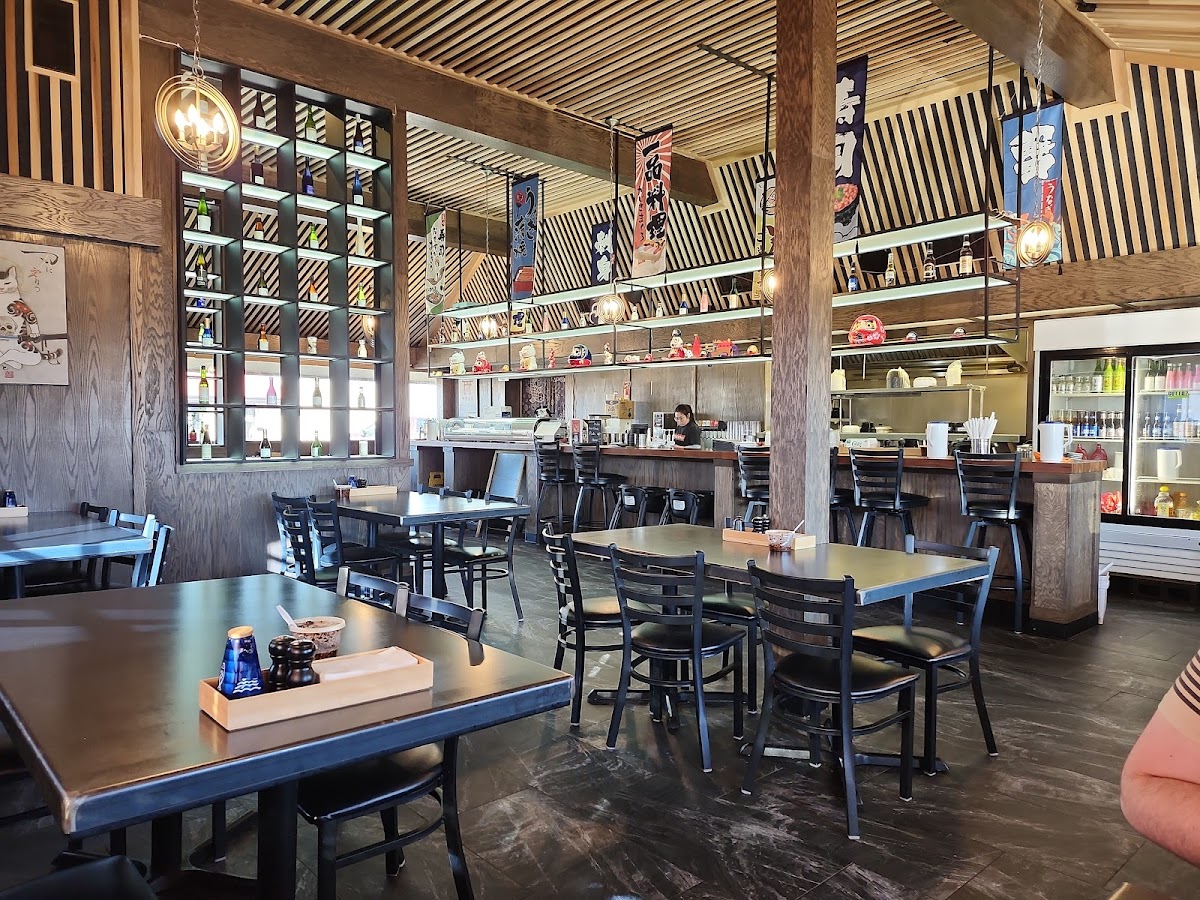
The dining room feels casual, almost neighborly. Families come in after games, solo diners sit at the counter scrolling phones between bites, and staff greet repeat customers by name. That lived-in atmosphere matters. Food researchers from Cornell University have noted that perceived hospitality strongly influences how people rate flavor, and you can feel that effect here. The service isn’t scripted; it’s genuine.
What stands out most is how the kitchen respects tradition while adapting to local tastes. Adding locally sourced scallions or adjusting fat levels for different preferences shows practical expertise rather than rigid adherence to rules. It’s the same adaptive mindset that helped ramen spread globally in the first place.
If there’s a gap, it’s seating during peak hours. The space fills quickly, and waits can stretch on busy nights. Still, most diners seem happy to linger or come back later, which says plenty. Between the carefully built menu, the steady stream of positive reviews, and the hands-on techniques visible behind the counter, this spot has earned its place among Casper’s most talked-about locations for anyone craving a deeply warming bowl of ramen.
Good to know
Service options
✓ Delivery ✓ Takeaway ✓ Dine-inHighlights
✓ Fast service ✓ Great tea selection ✓ Serves local specialtyPopular for
✓ Lunch ✓ Dinner ✓ Solo diningAccessibility
✓ Wheelchair-accessible car park ✓ Wheelchair-accessible entrance ✓ Wheelchair-accessible seating ✓ Wheelchair-accessible toiletOfferings
✓ Alcohol ✓ Beer ✓ Cocktails ✓ Comfort food ✓ Healthy options ✓ Quick bite ✓ Small plates ✓ Spirits ✓ WineDining options
✓ Lunch ✓ Dinner ✓ Dessert ✓ Seating ✓ Table serviceAmenities
✓ ToiletAtmosphere
✓ Casual ✓ Cosy ✓ Quiet ✓ TrendyCrowd
✓ Family friendly ✓ Groups ✓ Locals ✓ Tourists ✓ University studentsPayments
✓ Credit cards ✓ Debit cards ✓ NFC mobile payments ✓ Credit cardsChildren
✓ Good for kids ✓ High chairs ✓ Kids' menuParking
✓ Free of charge street parking ✓ Free parking lot ✓ ParkingPhotos
1 / 4
Location
Reviews
- No ratings yet 331 reviews
INCREDIBLE ⭐⭐⭐⭐⭐ Honestly I was so shocked to find such amazing food off of the highway in Casper, WY but glad I chose this place! One of the best Pork Buns I’ve ever had!!!
The buns are amazing! But only really liked the beef ones. Its an experience if you have never had one. Ramen comes in a huge bowl. Lots of flavor. Sushi is also big. Great price for the portions!
This is a very good Japanese option here. Food is great. You should try their miso soup.
You have to scan the picture to get in line to be seated and then you wait until they come and get you. We waited about 6 minutes before someone grabbed us and took us to our table. Was fast to order and get drinks but they brought out our food separately. The rice came out a good 8 minutes before the ramen came out. The milk tea was delicious but pretty spendy for what was there. Ramen was good but the shrimp rice was mediocre. By the time we left there were 15-20 people waiting to eat. Nice place but the AC wasn’t working and there was a lot of flies everywhere.
Ordered the spicy beef Ramen with no egg online for pickup. My order was waiting for me on the counter when I arrived, but nobody was at the register and there were a LOT of people waiting to be seated. I was very pleased with the food. Beef was flavored nicely, veggies and noodles were tasty. All-in-all, I will be coming back!